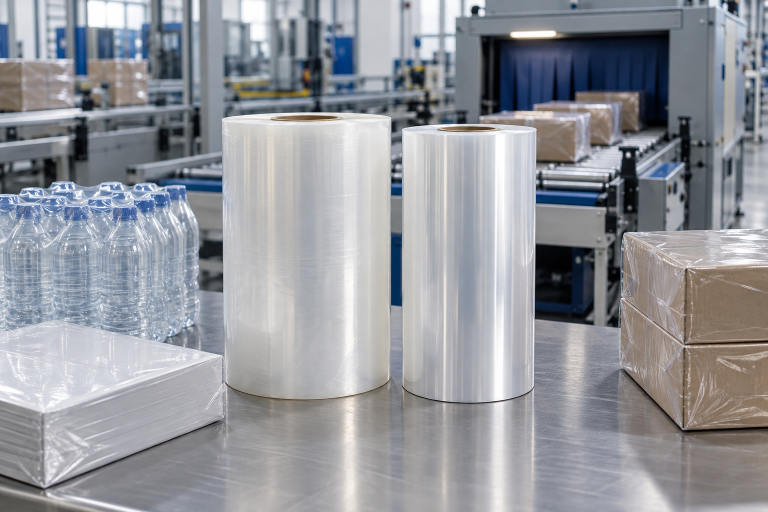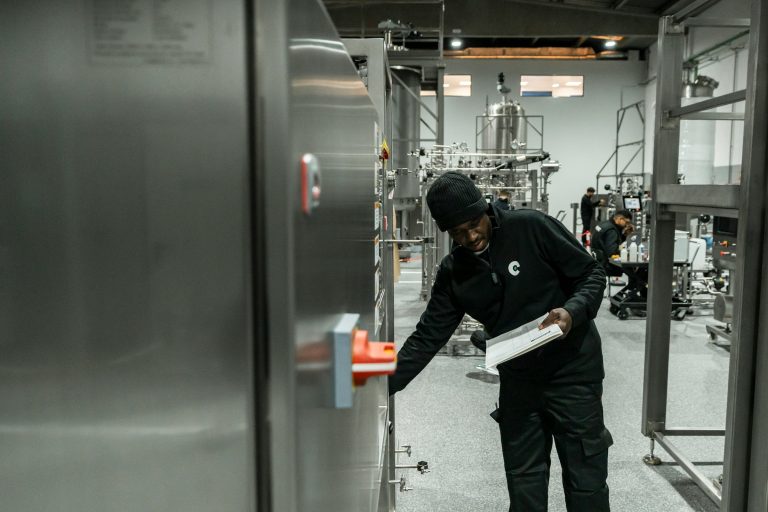

Packaging line downtime rarely begins with one dramatic failure. More often, small changes in seals, film tracking, temperature or product flow build into repeated stops. A practical maintenance routine can expose those changes before they disrupt production.
Make daily checks simple
Operators are usually the first people to notice a machine behaving differently. A short, repeatable start-of-shift check gives them a clear way to report wear, damage or inconsistent performance before output is affected.
- Check guards, emergency stops and safety devices
- Inspect sealing areas for contamination or film residue
- Confirm film is loaded, tensioned and tracking correctly
- Look for damaged belts, loose guides or unusual movement
- Listen for new noises and check for unexpected heat or vibration
- Run a test pack and review the seal and shrink finish
Checks should follow the machine manufacturer’s guidance and only be carried out by trained people. Any adjustment or intervention must use the correct isolation procedure.
Track the pattern, not only the stoppage
A record of short stops can be more useful than a note about one long breakdown. Capture when the issue occurred, the product and film in use, the machine settings and what restored production. Patterns often reveal a recurring changeover issue, worn component or unsuitable setting.
A few useful details recorded at the time can turn repeated guesswork into a focused maintenance decision.
Protect sealing and shrinking performance
Seal quality depends on clean components, consistent pressure and suitable temperature and dwell settings. Shrink quality also relies on stable airflow, temperature and conveyor speed. When one part of that process drifts, operators may compensate elsewhere and make the result less predictable.
Keep approved settings for regular products and films, then verify them after maintenance or a major changeover. This provides a known starting point and makes unusual performance easier to recognise.
Plan servicing around production
Planned servicing gives wear parts, electrical systems, controls and safety devices a structured review. The right interval depends on operating hours, environment, product and workload; a machine running multiple shifts will not have the same needs as equipment used occasionally.
Arrange service visits around quieter production windows where possible, and use the resulting report to prioritise actions. Holding sensible critical spares can also shorten recovery time, provided parts are correct for the machine and stored properly.
Give support teams useful information
When requesting technical help, provide the machine model, serial number, fault message, recent changes and a clear description of what happens before the stop. Photos or a short video can help a technician understand the issue before attending site.
If you want to review maintenance priorities across one machine or a complete packaging line, the SWS team can help build a practical service approach around your equipment and production pattern.