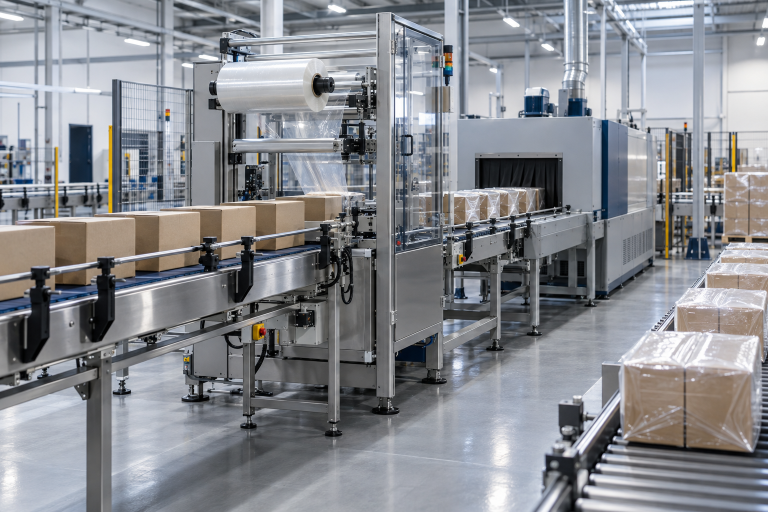
The right shrink wrapping machine is the one that reliably produces the pack you need at the pace your operation demands. That choice starts with the product and process—not with a model number.
Start with the finished pack
Define what a good result looks like before comparing machinery. Consider the product dimensions and weight, the number of items in each pack, the level of transit protection required and how the finished pack should look to a customer.
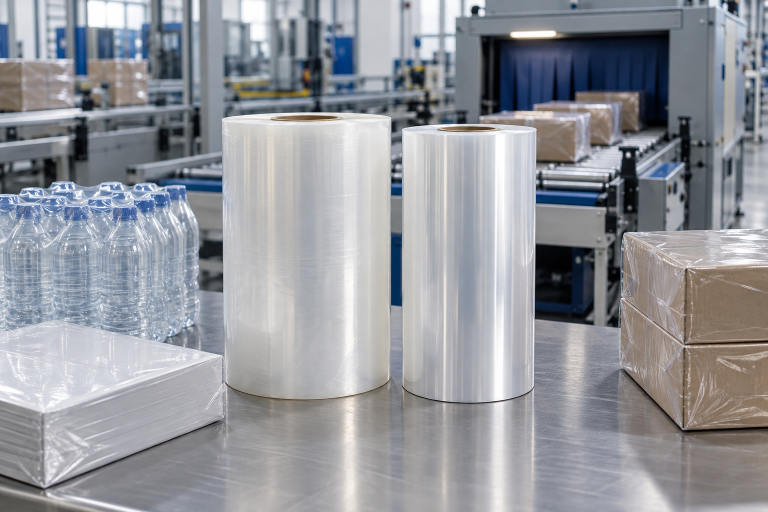
Film choice matters too. Polyolefin is often used where presentation and clarity are important, while polyethylene can be a practical choice for heavier products and transit packs. The sealing system and shrink tunnel need to be specified around the selected material.
For multipacks and transit protection, compare sleeve wrapping systems. You can also browse all packaging machinery before discussing your application with the team.
Match the machine to your output
Throughput is more than the fastest speed printed on a specification sheet. Look at the normal hourly requirement, seasonal peaks, changeover frequency and the way products arrive at the machine. A compact manual or semi-automatic L sealer may suit varied, lower-volume work. Continuous side sealing and automated feeding become more useful as volumes and product flow increase.
Specify for a reliable working rate with sensible headroom, rather than buying around a theoretical maximum speed.
Check the practical constraints
- Available floor space and access around the line
- Electrical supply, compressed air and extraction requirements
- Product size range and the time needed for changeovers
- Operator involvement, training and ergonomics
- Integration with conveyors, labellers or upstream equipment
- Cleaning, maintenance and future service access
Trial the real product
A product trial can confirm film choice, seal quality, tunnel settings and achievable output before a final specification is agreed. It also exposes details that are difficult to judge from dimensions alone, such as unstable products, sharp edges or heat sensitivity.
Plan for the whole working life
The initial purchase is only part of the decision. Availability of consumables, technical support, planned maintenance and replacement parts all affect long-term performance. A straightforward machine with the right support can deliver more value than a complex system that is difficult to keep running.
If you share your product dimensions, pack format, film preference and target output with the SWS team, we can help narrow the options and identify whether a trial would be useful.